
KSHORTS
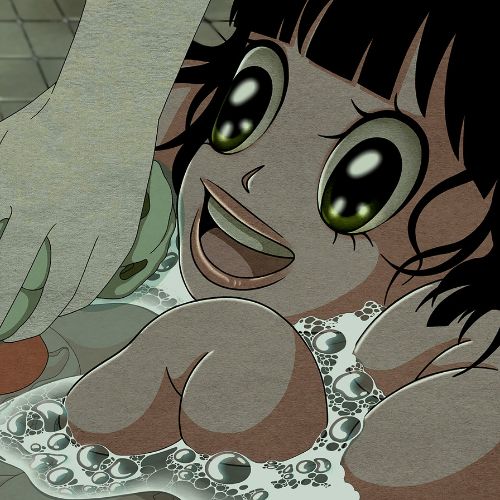
A trio of programmers has set out to study Korean society much like an entomologist would. With a decade’s worth of short films under the microscope, they aren’t searching for parasites or bloodthirsty sea creatures, but for highly original cinematic gems. From over-the-top comedies and social dramas to horror-thrillers and explosive animations, no need to choose just one genre: the filmmakers in this Focus program layer, blend, and intertwine genres with a truly exhilarating frenzy—reminiscent of Bong Joon-ho during his The Host era.
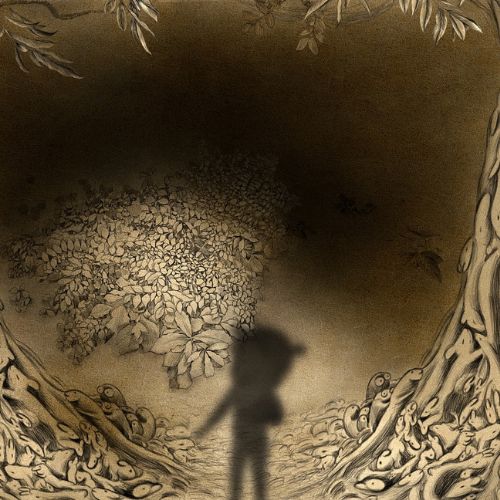
While no monster may surge up from the Han River in this year’s Focus program, that does not mean there is any less action in store: in Jung Seung-hee’s Invisible Eyes, three children delve into the heart of a deep forest while chasing squirrels. As concern mounts, thanks to the virtuoso filmmaker’s masterful pen strokes, the smallest protagonists take to plotting their revenge.
Fly is Lim Youn-jung’s first film. She is a graduate of the prestigious KAFA (Korean Academy of Film Arts), which was the Festival’s guest film school in 2017 as well as Bong Joon-ho’s alma mater. With its lead actress Jeong Ha-dam, who is breathtaking in her role as a young boxer struggling with self-confidence, the film paints the portrait of a society in which patriarchy continues to wreak damage, making the emancipation of its heroines ever more gratifying.
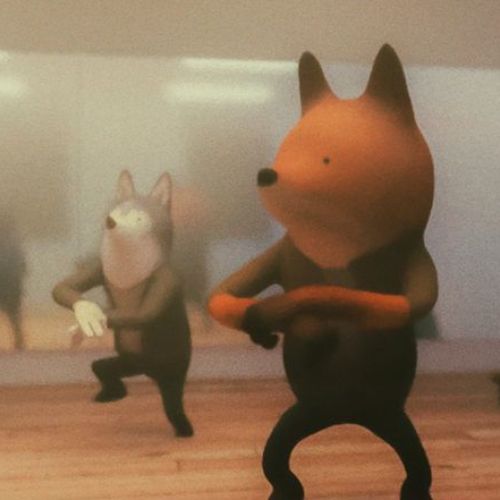
When trying to climb a broken social ladder, the precipice is never far-off. Kim Lee-ha, in his animated fiction Mascot, has an adorable fox play the lead in this most grating social satire. He uses his gwiyeowo* (kawaii in Korean) characters to tell the tale of a society under constant pressure to keep up appearances, fearing the downward spiral into debt, and turning a job search into an unavoidable quest.
Son Min-zun’s Cut is not exactly a slasher, but you will feel your heart rate accelerate and the blood rush to your muscles as you watch this film. The threat is indeed present, just out of frame. The director’s artful mastery of the full breadth of cinematic codes will have you nailed to your seat.
Another big surprise is Night Fishing, co-directed by Park Chan-kyong and Park Chan-wook (Old Boy, Decision to Leave and Sympathy for Lady Vengeance). Produced in 2011, this return to the short film format by an accomplished director is exhilarating as the two directors play with technique (the film was entirely shot with a smartphone), fantasy, and Korean folklore.
South Korean cinema is struggling to recover from a drop in cinema attendance since the Covid-19 pandemic, which has pushed audiences towards streaming platforms with successful series such as Squid Game or The 8 Show. But future and seasoned talents alike are featured in this year’s Focus program, and they make full use of the freedom that the short film format offers.
*cute
A note regarding our indexes: The family name, or surname, precedes the first name in Korean culture. All South Korean productions cited in this catalog respect this tradition.
Programmes outside Panorama section related to South Korea
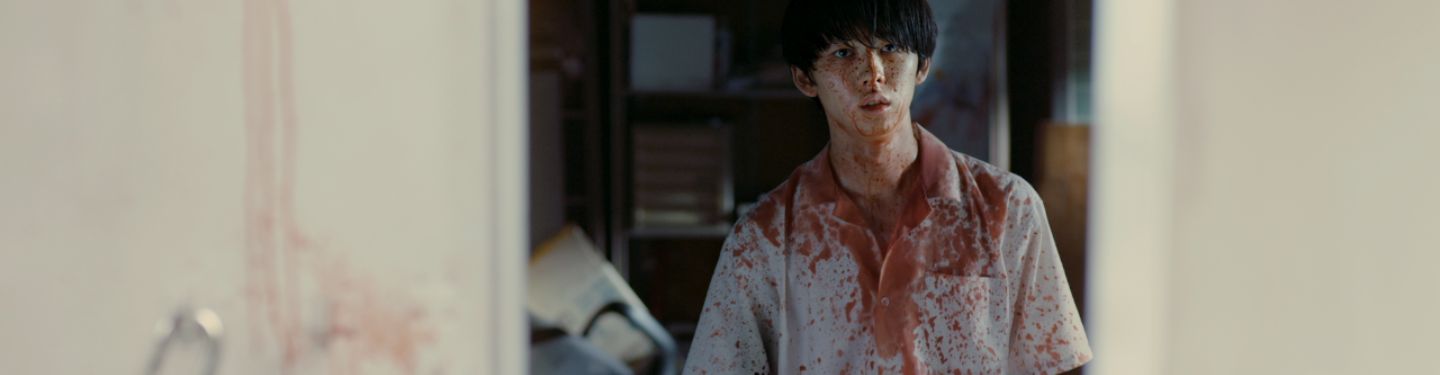
Gruesome Tales from the Land of Morning Calm
When one thinks of Korean cinema, it is difficult not to think of genre films: since the 2000s, thrillers and horror films have launched several major filmmakers such as Park Chan-wook or Na Hong-jin to the forefront of the international film festival circuit. This unique style has since become a hallmark amongst cinephiles, whose enthusiasm for this brand of cinema has never faded.
It would be impossible, then, not to dedicate a Clermont-Ferrand ISFF Bloody Night to this current of Korean cinema, with five short films that—following the example of their illustrious predecessors—blend dark humor, immorality, social commentary, and extreme violence. Here, a school serves as a slaughterhouse, one family tears itself apart over welfare checks while another unites around a rather inconvenient corpse, and monsters seem quite harmless when compared with the school bullying that has been accepted as the status quo. While the mornings may be calm, these five gruesome tales prove that Korean horror cinema has not lost one bit of its energy and vitality!
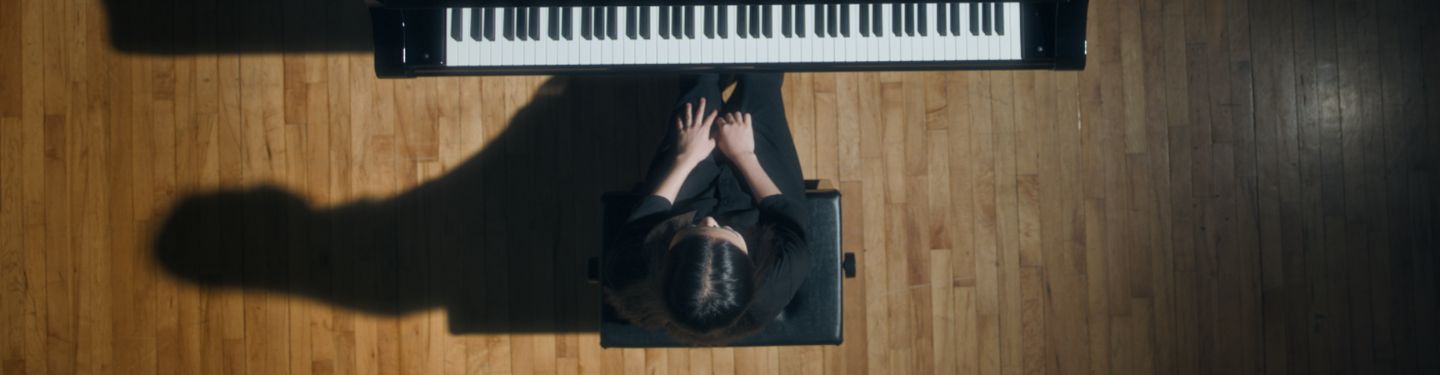
Founded in Seoul in 1916, Chung-Ang University is a leading institution for higher learning in Advanced Imaging Science, Multimedia, and Film. In 1960, it launched South Korea’s first Master of Fine Arts (MFA) program in film production. With a track dedicated to Film Studies, the University has fostered the careers of numerous filmmakers. These two programs bring together a selection of short films created at the University by several generations of students. Spanning a wide range of styles, the films explore both intimate narratives and broader themes, reflecting the perspectives of South Korean filmmakers on a society in constant flux. The selection offers a glimpse into the richness and diversity of the films produced at Chung-Ang University.
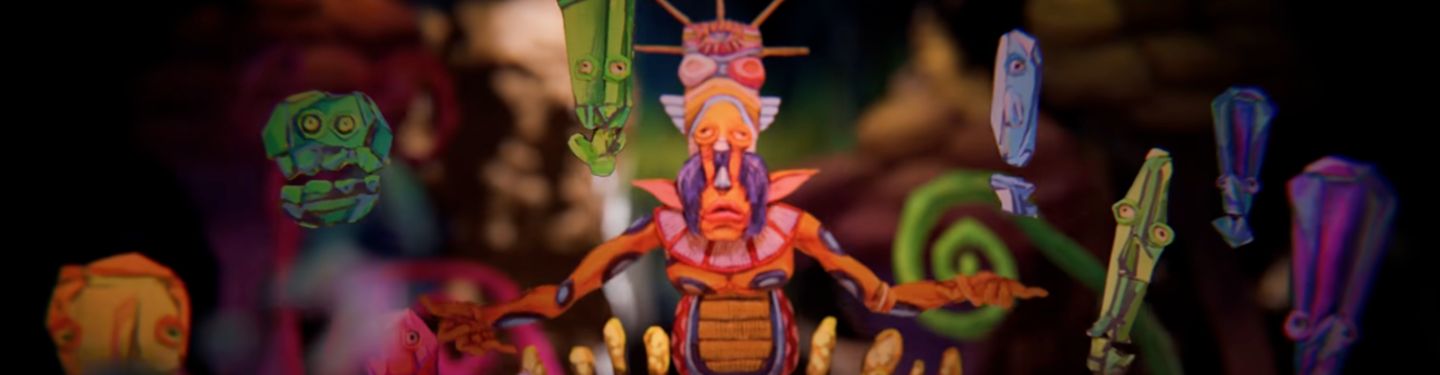
100% indie K-Pop DB1 program
Balming Tiger is an alternative K-pop music collective formed in Seoul in 2018. The collective brings together a wealth of talent, including rappers, producers, music video directors, and visual artists. So we just had to dedicate a full program to these lively troublemakers and their infectious energy!
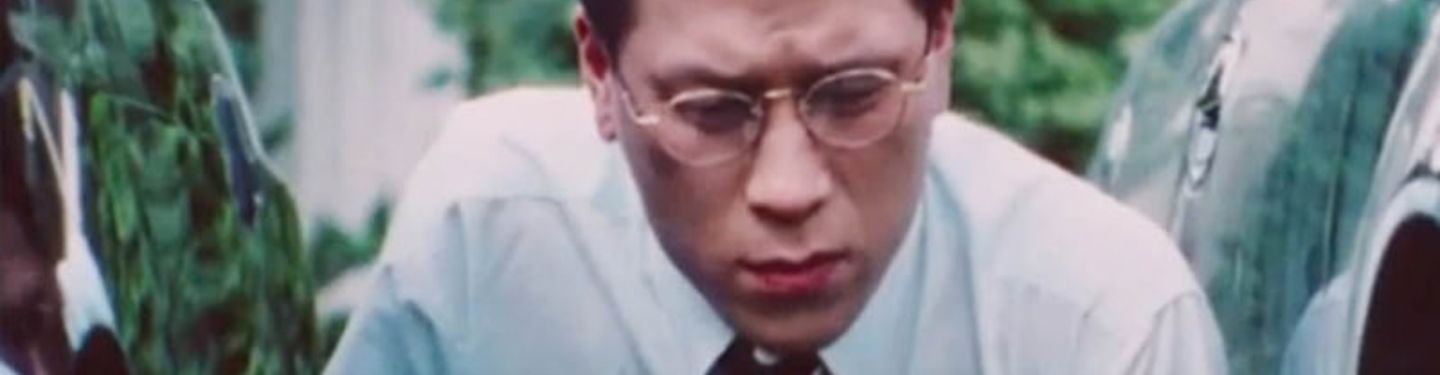
The Korean Film Archive (KOFA) has unlocked its treasure chest to bring forth six gems of Korean short film for this year’s Collections program. An ideal opportunity to see Woojung Sanchaek (Walk in the Rain) by Yim Soon-rye (International competition, 1995) or Dead End by Kim Sung-su (International competition, 1994) for the first (or second, or third) time, and an invitation to be swept away by the unique poetic flavors of two short films: grimy, as with Ashes in the Thicket by Lee Sung-gang, or bright, as with A Day of Poet Gubo by Ha Yoo. Finally, this exceptional Collections program offers the chance to (re)discover the first films of Bong Joon-ho (Parasite, Memories of Murder) and Yeon Sang-ho (Last Train to Busan, Colony), reminders that short films often lay the foundation of the most astounding filmographies.
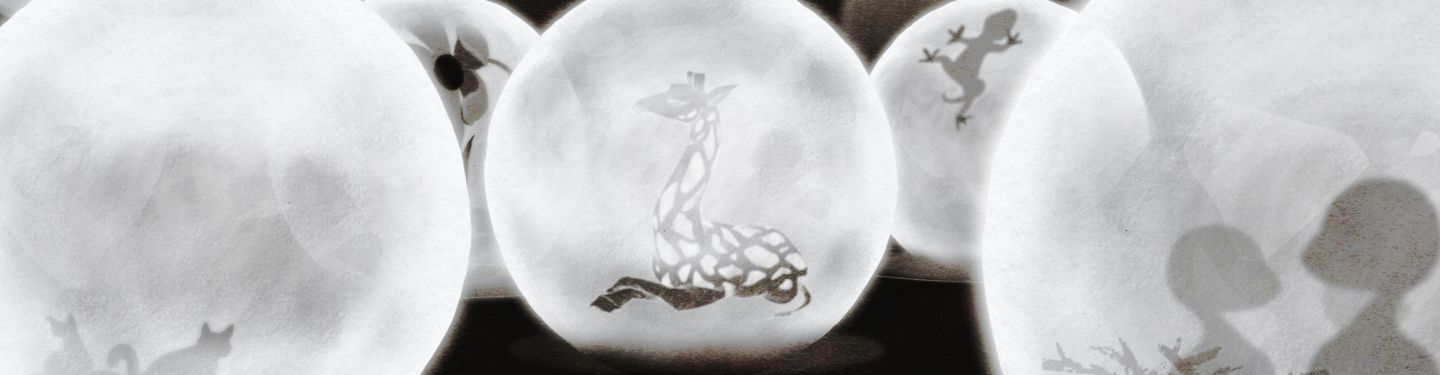
This program of three short films invites us to delve into the poetic and dreamlike world of South Korean director Baek Mi-young.
Do everyday objects carry a part of ourselves in them?
Can we go back in time to write a different story?
And where might the lost Moon be hiding?
Such are the themes explored in Baek Mi-young’s films, which envelop us in the gentleness and sensitivity of a wondrous imaginary journey.
And, as a bonus…
A lab jury comprising a majority of Koreans
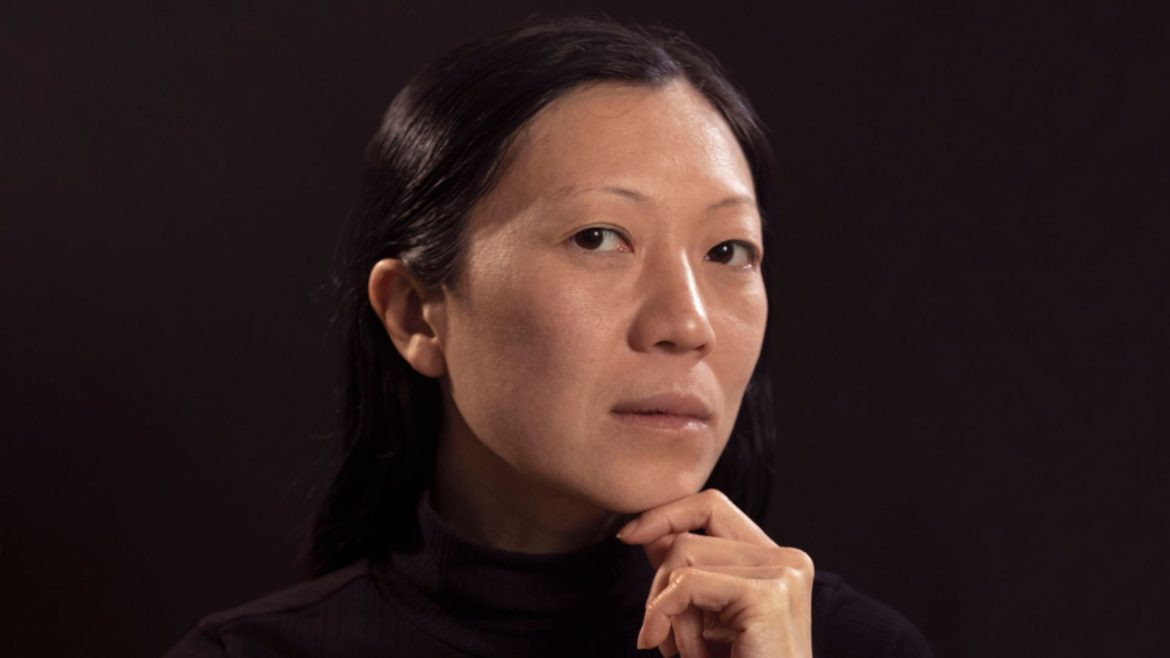
Photo credit © Daniel Zox
Jane Jin Kaisen (born in 1980 in Jeju Island, South Korea) is a visual artist and filmmaker known for her visually striking, multifaceted, performative, and poetic works that create a dialogue between past and present. Her body of work addresses themes such as memory, migration, borders, and translation at the intersection of lived experience and embodied knowledge and larger political histories. Another recurring theme revolves around nature and island spaces, cosmologies, re-framing of myths, and engagement with ritual and spiritual practices. She lives and works in Copenhagen, Denmark.
Kaisen will serve as jury member in the Lab competition, and the Hôtel Fontfreyde – Centre photographique will host an exhibition showcasing her visual art and film works.
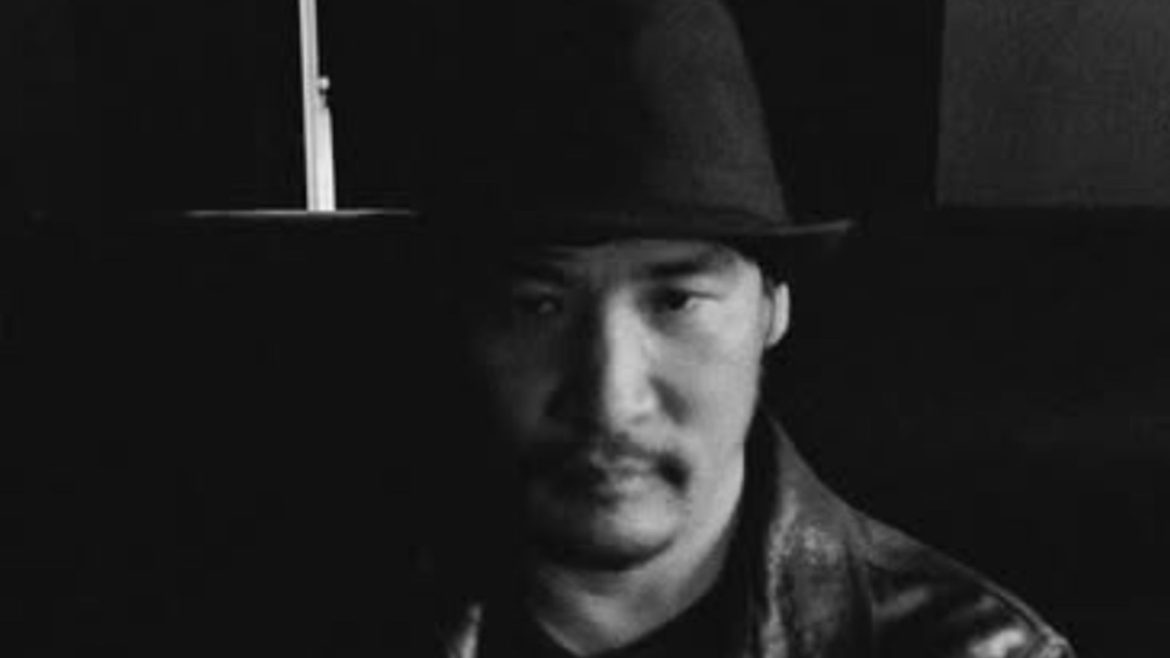
Mowg—whose real name is Lee Sung-hyun—is a South Korean jazz musician and composer. In 1993, he moved to the United States to work as a music producer and arranger. Upon returning to Korea, he collaborated with numerous directors, including Kim Jee-woon, for whom he composed the scores for I Saw the Devil (2010) and The Last Stand (2013).
An artistic aspect
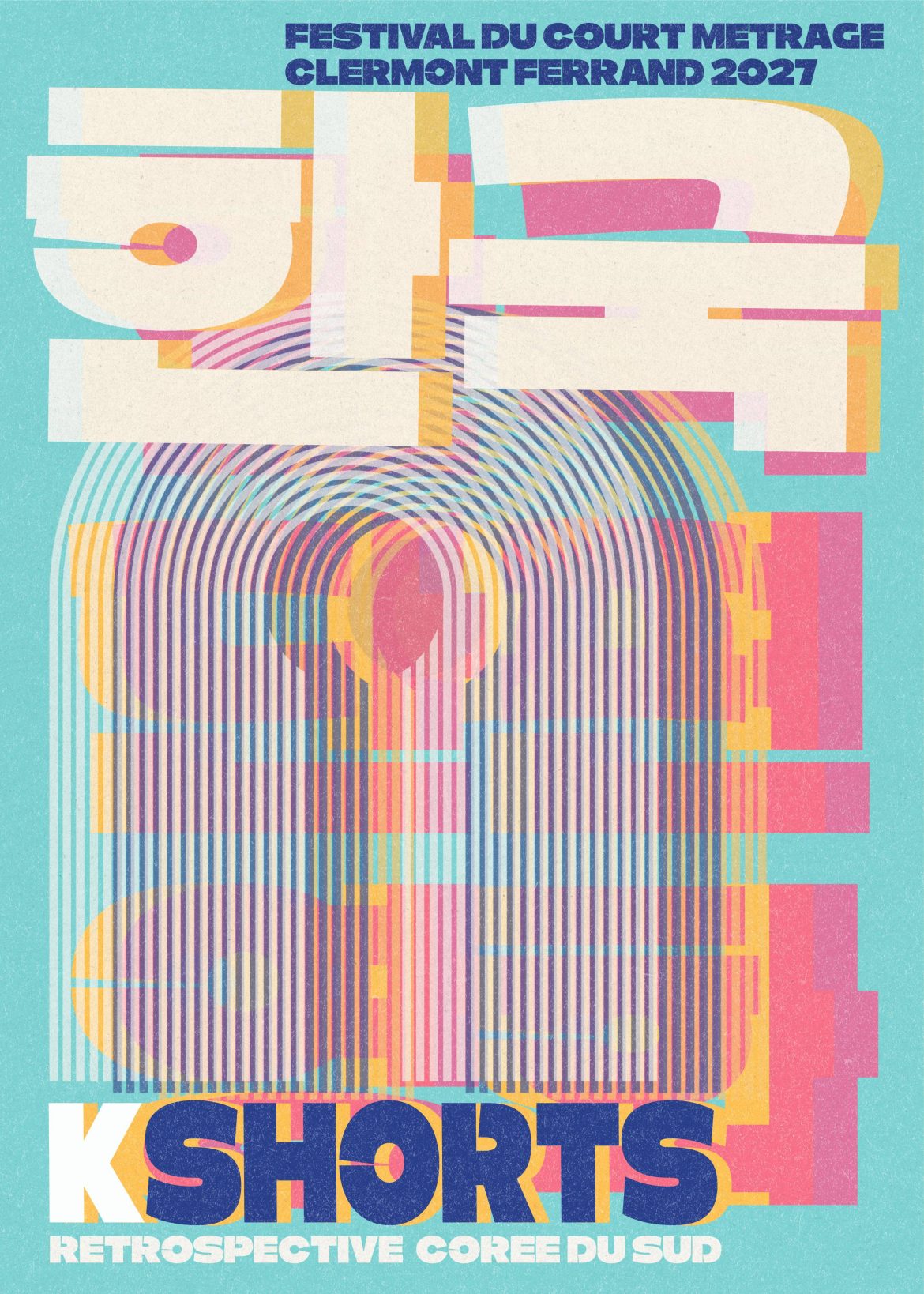
© Brian Cougar
This poster, which symbolises focus, is made by Brian Cougar, a screen-printing artist based in Clermont-Ferrand.
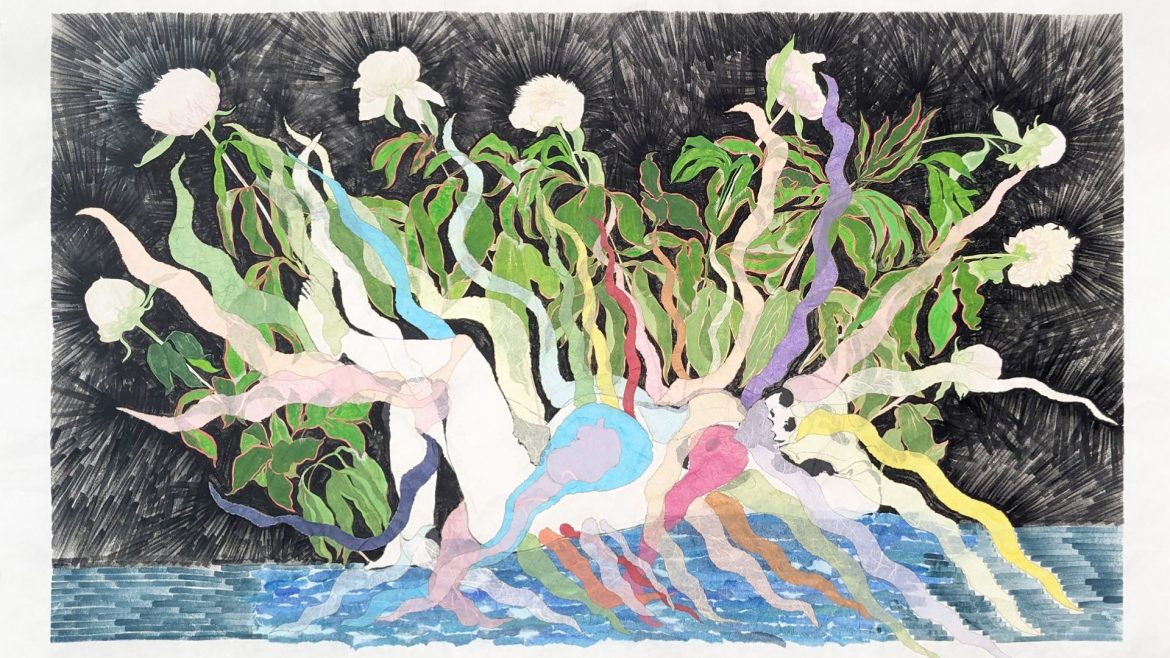
© Meeno YOON, Island-woman, 2024, 78 × 125 cm, collage and pigments on hanji paper
Through the loss of a loved one, much like a family member, the artist Meeno Yoon develops a new perspective on what remains invisible. Far from a world governed by the notions of good and evil, profit and loss, she questions and feels the meaning of what it is to “be alive”, as well as the relationship that links the living to the deceased. The artist expresses her reflections through the sensations of her own body, but also through the medium of hanji, a traditional Korean paper which, much like skin, absorbs matter while drying out.
She will exhibit at Le Cadre Noir art gallery in Clermont-Ferrand, 40 rue du Port.
Selection Committee
Calmin Borel, Lucas Brunier-Mestas, Grégoire Rouchit.
SUPPORTED BY
